
If you are planning a trip to Morocco, this is a guide for two to three weeks. We will share tips, must-see places, and things to know before you go.
The best time is between May and March or September to November. The weather is nice, not too hot or cold, and it is less crowded. This is perfect for walking around and taking photos.
Renting a car is the best way to move around Morocco. It gives you more freedom to move around. There are also buses all over the country and they are reliable. Internal flights are possible, but driving or taking buses is better if you want to travel more sustainably.
Look for riads. These are traditional Moroccan houses now turned into guesthouses. They are more comfortable than a hotel and often have pools and gardens. Many are run by Moroccan families, and breakfast and dinner are homemade. It is a good way to have an authentic experience.
Most riads are located inside the medinas, which are the old towns. These areas are car-free, so taxis won’t drop you at the door. You’ll need to walk through narrow alleys to reach your riad. Walking here might feel like a maze so don’t feel bad if you get lost.
We noticed the wifi connection was pretty bad sometimes, and later found out it’s common inside the medinas. The thick old walls and the way the houses are built make the signal weaker. It’s good to know this ahead of time, especially if you’re a digital nomad or need stable internet connection.
Carry enough cash for activities, food, and shopping. Many small shops do not take cards. In big cities like Marrakech you can use cards more often, but it’s always safer to have cash with you.
Morocco is a Muslim country. Dress modestly, especially in small towns or religious sites. Avoid showing too much skin. You can wear what you feel comfortable in, but being respectful of the culture will make your trip easier.
This is how we spent two weeks. You can change it depending on how long you want to stay in each place and if you have more time also
After landing in Tangier, we didn’t spend any time there. Instead, we had already booked a taxi driver to pick us up to take us to the bus terminal that was around 30 minutes away from the airport. When we got there we hopped on a bus straight to Chefchaouen, which takes about two to three hours.
If you do this during the day you will start seeing the mountains and greenery of northern Morocco. When we finally arrived, we were too exhausted so we kept it simple, checked into our place, and had dinner at a small local spot nearby and get ready for exploring the next morning.
TIP: Don’t forget to buy your sim card on the airport and take some cash from the atm if possible.
After landing in Tangier, we didn’t spend any time there. Instead, we had already booked a taxi driver to pick us up to take us to the bus terminal that was around 30 minutes away from the airport. When we got there we hopped on a bus straight to Chefchaouen, which takes about two to three hours.
If you do this during the day you will start seeing the mountains and greenery of northern Morocco. When we finally arrived, we were too exhausted so we kept it simple, checked into our place, and had dinner at a small local spot nearby and get ready for exploring the next morning.
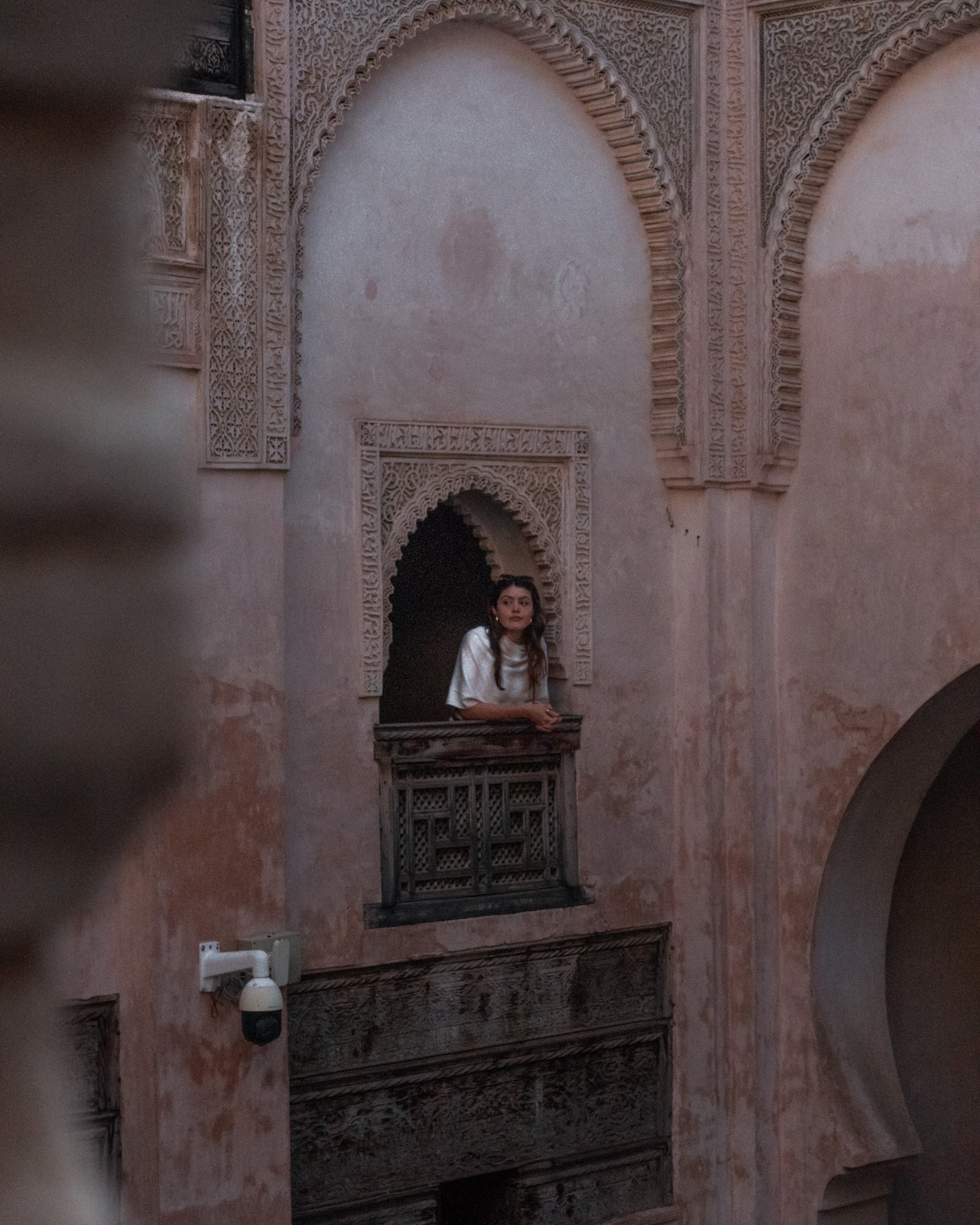
Chefchaouen is a really special way to start your trip. This place is known as “the blue city” because the whole town is covered in a particular blue paint: like every wall, every door, even whole streets! You can even see people constantly re painting their facades to keep on the color display! And it just feels like you’re walking inside a painting.
We spent two days here just randomly walking around, exploring every single alley, and if you are like Debby you will stop every 2 seconds to take photos of everything. There’s lots of beautiful photo spots around here but the best one was “Orange Shop – Said Juice Seller” . You buy a fresh orange juice and then you are allowed to take as many photos as you want in their place. That sounds like a good deal right?
Other highly recommended thing to do here is going up to the Spanish Mosque for sunset or sunrise because from there you can see the whole city from a high viewpoint and admire from far how all the houses that are covered in blue.
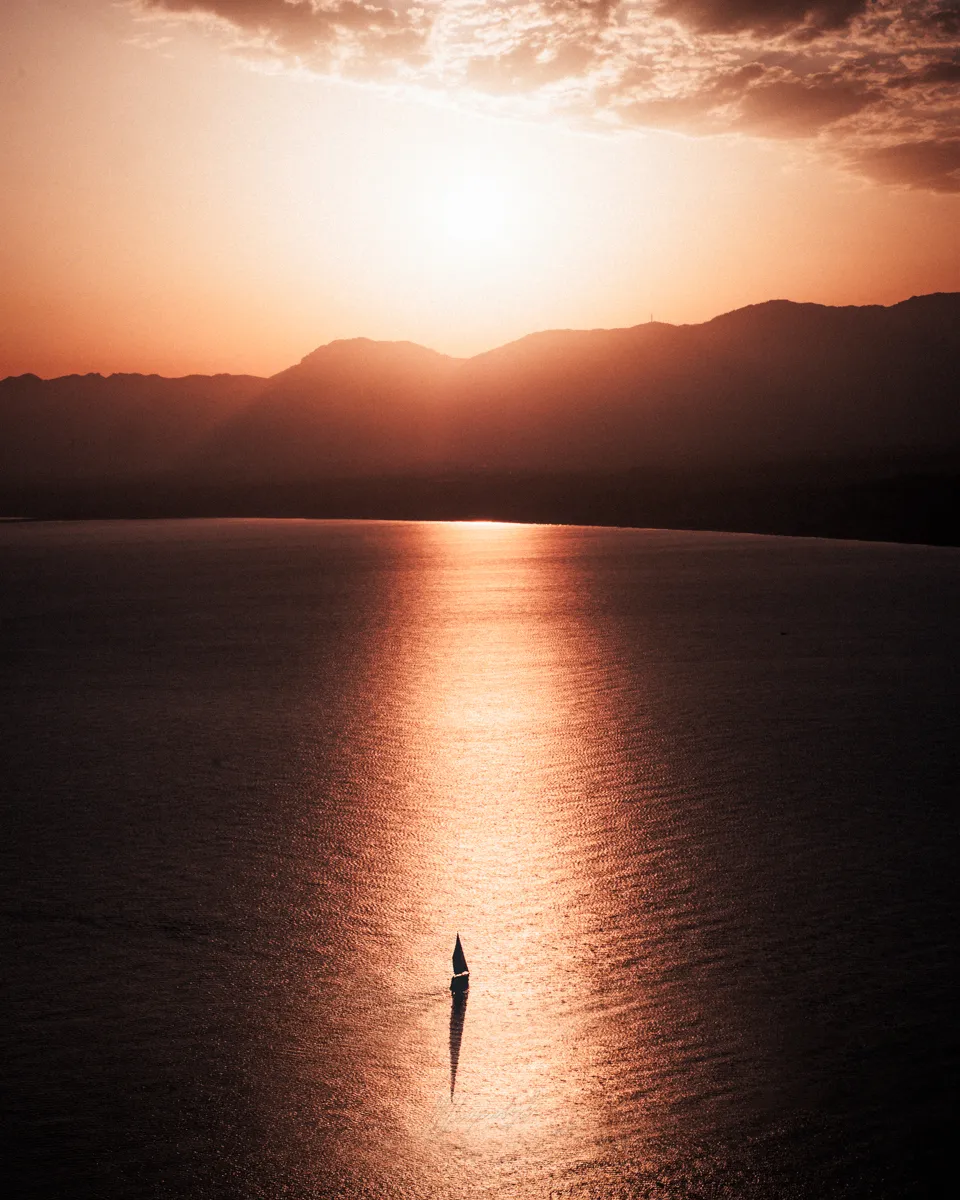
This day will be a travel day between places. From Chefchaouen you can take the CTM bus, which is the main company most travelers use in Morocco. The bus station in Chefchaouen is just outside the medina. It can be a quick walk if you are staying nearby or you can stop a taxi on the street for a quick drop off. You can buy your bus tickets as soon as you arrive at the station.
The ride to Fes takes around four hours, and the bus it’s pretty comfortable with air-conditioning. If you don’t want to take the bus, you can also book a private transfer, but of course that will be more expensive. Once you arrive in Fes, the bus will drop you at the main CTM station, and from there it’s easy to grab a taxi to your choosed stay. Then you can just check in, go for a quick bite nearby, and rest because the next days in Fes are going to be busy!
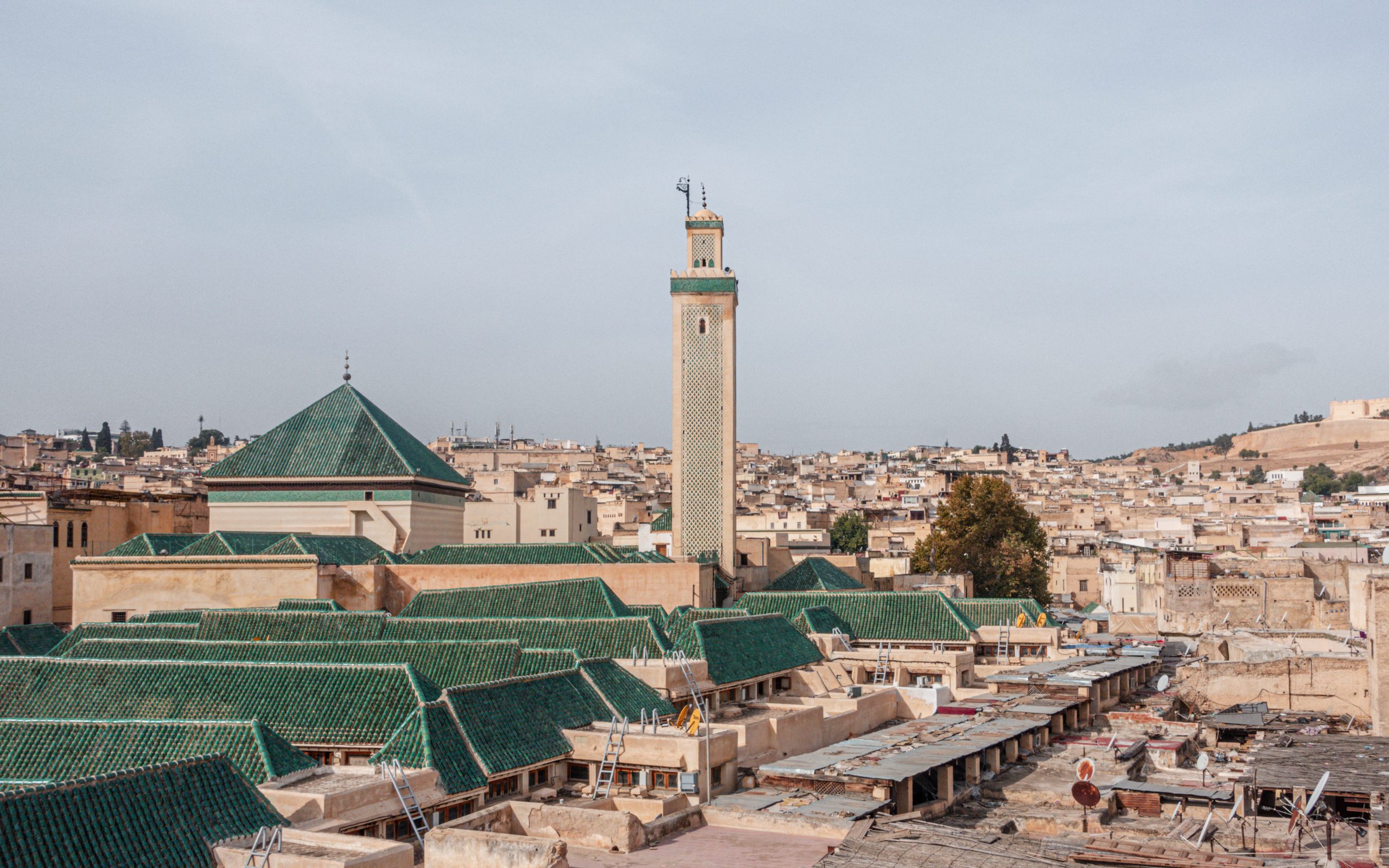
Fes is known as the green city of Morocco, and you’ll notice it right away if you visit a view point and see the green roofs on the mosques and madrasas. It’s one of the most interesting cities in the country, and walking through the Medina feels like stepping into the movie Aladdin. But the whole place feels also like walking on a maze: tiny alleys, hidden doors, markets everywhere, people trying to convince you to buy something and it’s really easy to get lost.
Google Maps doesn’t work well here, so just expect to walk in circles or end up in the wrong direction a few times. Locals might approach you on a friendly way offering to show you the way or walk you to your hotel, but most of the time they will expect a tip at the end. If you know this in advance, it’s easier to handle.
One of the highlights in Fes is visiting the tanneries, where you can see how leather is made. The smell is really strong, but they give you mint leaves to hold under your nose which helps a lot. You can buy leather goods here for very good prices, and even order custom-made items if you have time to wait. Other things not to miss are the madrasas, the markets full of crafts and spices, and just spending time soaking in the crazy energy of the city. Two days is perfect to see the highlights without feeling rushed.
TIP: We found that the Maps.me app worked way better than Google Maps for finding our way around the Medina.
This day is a long travel day. Rent a car and drive to Merzouga, which is the famous town closest to the Sahara Desert in Morocco. The full drive is about eight hours, but you should make some stops on the way like: Ifrane aka “the Switzerland of Morocco” because of its alpine-style houses, and switzerlandish kind of style of buildings. Then stop in Azrou, you can visit the monkey forest, which is a fun stop.
If you don’t like long and exhausting drives like us you can even spend a night along the way and continue the next day. We decided to stop at Middelt, spend the night and continue driving to Merzouga the next day.
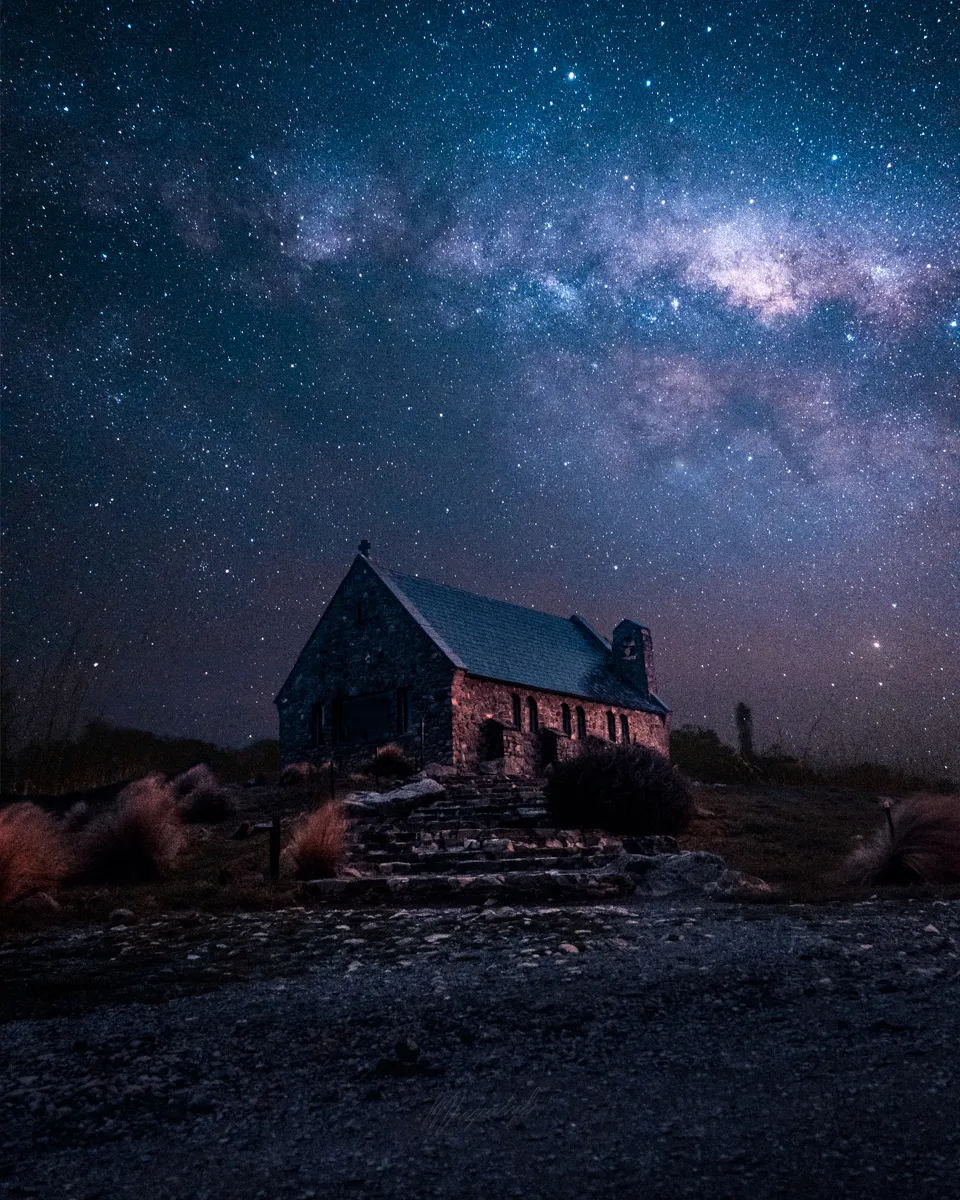
This was one of the highlights of the trip for us. Instead of staying in a hotel, you can go glamping in the middle of the Sahara desert! This is a bucket list experience you will never forget for sur. The tents are big and comfortable, with their own private full bathrooms, all meals are included, you can do sandboarding, and at night you can enjoy a bonfire and watch the stars. This is a perfect location to stare at the sky because its so clear that is easy to spot the Milky Way.
You have the option to go into the desert by 4×4 or by camel, but if you choose the camel make sure you go with an operator that treats them well, because we saw some that were clearly over worked 🙁 so choose camel rides carefully to ensure the animals are treated well.
On this day you will drive to the Dades Valley after check out time. The landscapes on the way are just amazing. We stopped several times just to take pictures. The drive takes 4 hours in total and one of the things you can do as soon as you get there is visiting the famous zigzag road. To see it properly, you should go to Hotel Timzzillite, because they have a viewpoint that shows the whole winding road from above. You can buy a drink or have lunch there and enjoy the view.
Spend one night here. And the next morning go really early before checking out to Monkey Fingers canyon. This place is called like this because mountains are shaped like monkeys fingers which is really unique. You can do a full hike here that takes several hours, but honestly, we just did a short walk, and it was already really nice. It was a really relaxing way to spend some time walking in nature before continuing your trip.
After checking out and packing everything in the car you are going to drive to Ait Ben Haddou. But after one hour of driving you are going to make an interesting stop on the way in Kasbah Amil. A kasbah is basically a old fortified mansion.They were built from mud-brick with high walls and towers to protect the families and communities living inside from buglers. Kasbah Amil is special because is one of best well preserved remain places like this. You can still see the old rooms, kitchen and utensils as they were used hundreds of years ago. Walking inside feels like travelling in time.
We really recommend paying a little extra for a guide, because they explain all the history and details that you would probably miss on your own. It makes the visit much more interesting.
After the tour, you get back in the car and drive another hour to Ait Ben Haddou, which is your final stop for the day. Once you arrive, check into your stay, have dinner and get some rest. Try to sleep early, because the best time to explore Ait Ben Haddou is in the morning before the crowds arrive.
Wake up as early as possible and head to the old ksar of Ait Ben Haddou. A ksar is basically a fortified village, so inside you’ll find several kasbahs, houses, and narrow alleys all surrounded by high walls. Kasbahs were more like single fortresses or homes for powerful families, while a ksar was built to protect a whole city of those. Which is way more impressive. Walking around here gives you a clear idea of how people used to spend their everyday life hundreds of years ago, and actually few families still live inside today.
The best thing to do is just getting lost on the streets, climb up to the top for the views over the valley, and take your time for photos. There’s lots of interesting and beautiful spots to take photos every 5 minutes. Visit some cafes to have more private views and buy some souvenirs around there.
You might also recognize the place, because Ait Ben Haddou has been used in lots of movies and shows like Gladiator, Game of Thrones, and Dune. We visited a house of someone that for a small fee let us get in and watch how his whole house is. He told us that a specific scene of gladiator was shooted there. How cool is that?
TIP: It gets really crowded later in the day, so going early in the morning makes it way more special.
Marrakech, also called the Red City, gets its name from the red clay and sandstone used to build the walls and houses. The whole city keeps this warm red tone, (sometimes seen as pinky also) which makes it so unique and different from other cities in Morocco.
There are so many things to do here that three or four days feel just right. The Medina is full of life with souks where you can shop for spices, rugs, lamps, and souvenirs. You can visit palaces like Bahia Palace and Badi Palace, and also walk through madrasas like the Ben Youssef Madrasa, one of the most beautiful and famous ones in Morocco. It is open to the public and the detailed tiles, courtyards, and architecture are incredible to see. Mosques are stunning from the outside, but many are only open for prayer, so don’t expect to enter all of them. Another must-see is the Jardin Majorelle, a beautiful garden once owned by Yves Saint Laurent, with bright blue buildings, cacti, and calm paths to walk around.
Marrakech is busy, colorful, and sometimes loud, but that’s part of its charm. Balance the chaos of the souks with quiet moments in your riad, maybe by the pool or with tea on the terrace.
This two-week itinerary covers a little bit of everything in Morocco. In just 14 days, you’ll see a mix of cities, mountains, desert, and history.
If you have three weeks instead of two, we’d suggest slowing down in a few spots. You can for example:
However you plan it, Morocco is a country full of contrasts. You’ll always find yourself between the calm of your riad courtyard and the noise of a busy medina, between modern buildings and ancient kasbahs, between desert silence and city chaos. And that’s exactly what makes it unforgettable.
Want to know more about Marrocco, click here!
We specialize in traveling with kids and inspire young families to do the same via our travel guides, photography and ready-to-book vacations.
We specialize in traveling with kids and inspire young families to do the same via our travel guides, photography and ready-to-book vacations.
We’re Debby & Marc. The couple behind 'Babies and Borders'.
We specialize in traveling with kids and inspire young families to do the same via our travel guides, photography and ready-to-book vacations.
More about us / Work with us
Copyright (©) 2025. All Rights Reserved
Design by Diezijn™ & Maarten Dijkman