
If you’re planning a trip to Kruger National Park, this guide will help you prepare with all the essentials we wish we had known before our first visit.
From how to handle malaria precautions to choosing the right camps, understanding how National Parks work and the importance of planning your route. We’ve gathered everything based on our own experience here. Kruger is one of the most impressive parks in Africa, but it’s also popular and bigger than you might expect.
Here’s everything you need to know to make your trip easier, safe, and unforgettable.
Best time to visit
This might sound a bit weird if, like us, you’re used to the northern hemisphere seasons, but winter in South Africa actually happens between May and September. So when we visited Kruger in May, it was already considered early winter here. And honestly, we think it’s one of the best times to come especially if like us, your priority is seeing wildlife.
During the dry winter months, there’s way less vegetation, so animals are easier to spot. Also, since there’s not much water around, they’re more likely to come out of hiding and gather near waterholes. Which makes sightings much more frequent and photos more exciting. Meanwhile, in the rainy summer months, animals tend to spread out because water is more available everywhere, and the thicker vegetation makes them harder to see.
Another bonus of visiting in May: it’s considered low season. That means fewer tourists and less crowded camps, less cars blocking your view on the roads, and sometimes even lower prices for accommodation.
So if you’re looking for good animal visibility, cooler weather, and a more peaceful experience, this season might be your best option too.
So malaria is something you need to be prepared for before coming to Kruger. It’s mainly present in the northeastern part of South Africa, especially in parts of Kruger National Park. We bought malaria pills back in the Netherlands before traveling to South Africa, and the health clinic explained that there are two ways to use them:
Even if you do not get stung, the preventive pills can still cause side effects that might make you feel sick. We chose the preventive option anyway, and luckily we did not have any bad reaction.
It may not be easy to get these pills in some countries abroad. For example, I looked for them in Mexico but could not find them. We heard that you can book an appointment at a health clinic once you arrive in South Africa, and get the pills there.
If you plan to visit other countries in the north of South Africa after Kruger, remember that the malaria risk continues in those areas too. We recommend checking official websites for updated malaria zone maps before your trip.
South Africa has a national park pass called the Wild Card. It is a yearly pass that gives you unlimited access to most national parks. We did something similar in the U.S., where it cost $90 per car. In South Africa, it works differently because the Wild Card is priced per person. For us as an international couple, it cost about €320 in total.
One important thing to keep in mind is that park entry fees in South Africa are charged per day or per night. It is not a flat fee, and the total can add up quickly if you stay multiple days.
The Wild Card is a good deal if you are planning to visit more than one park or stay for approximately seven nights or more in total. Each park has its own entry fee, and some are cheaper than others, so it really depends on your plans. If you are only doing a short visit for a few days, paying per day might actually be the cheaper option.
We stayed one night in Marloth Park, a residential area right next to Kruger’s fence. It is a neighborhood where you can find all kinds of places to stay, and there is definitely something for any budget.
What makes this place so special is that it is full of wildlife like zebras and giraffes that roam freely. You can walk around and see them up close without scaring them, because they are used to people walking by. If you are lucky, you might even see them right outside your window. Some places let you feed them with special food (not just any food). This experience is really unique because once you are inside a national park, you are not allowed to get out of your car. But in Marloth, you can.
We honestly regret not staying there longer. It feels wild, but at the same time very peaceful. To keep it that way, you need to be smart and follow some basic rules:
Kruger is massive. It is South Africa’s largest national park. To give you an idea, if you want to drive from north to south it will take more than 8 hours, and from west to east it takes about 3 hours with no stops.
There are 12 main rest camps, each with its own location, scenery, and different facilities. Book your accommodation at least two months in advance, even for campsites. Things get booked quickly here. Remember that this is a very popular park.
🛎 What Every Camp Offers: Reception or information desk, convenience and souvenir shops, a restaurant or cafeteria, petrol station, laundromat, braai and kitchen areas, and different kinds of activities like game drives or guided walks. Some camps also have swimming pools.
🛖 Types of Accommodation: Tent camping areas, caravan spots, safari tents, huts, bungalows, family cottages, guest houses, and a few luxury lodge options.
💻 Don’t expect Wi-Fi. Most camps do not offer it, and phone reception is weak or completely unavailable in many areas. Keep that in mind and download your maps or movies ahead of time.
We watched a lot of videos on YouTube about the different camps in Kruger and chose these two because they fit perfectly with our plan inside the park and also worked well for where we were going afterward. (Link for the playlist of videos on youtube?)
We stayed here for two nights. It is located in the southern part of Kruger and was perfect for the start of our route.
Highlights of this camp:
We continued with two nights at Olifants, a more central spot in the park. This was our favorite camp for scenery.
Highlights of this camp:
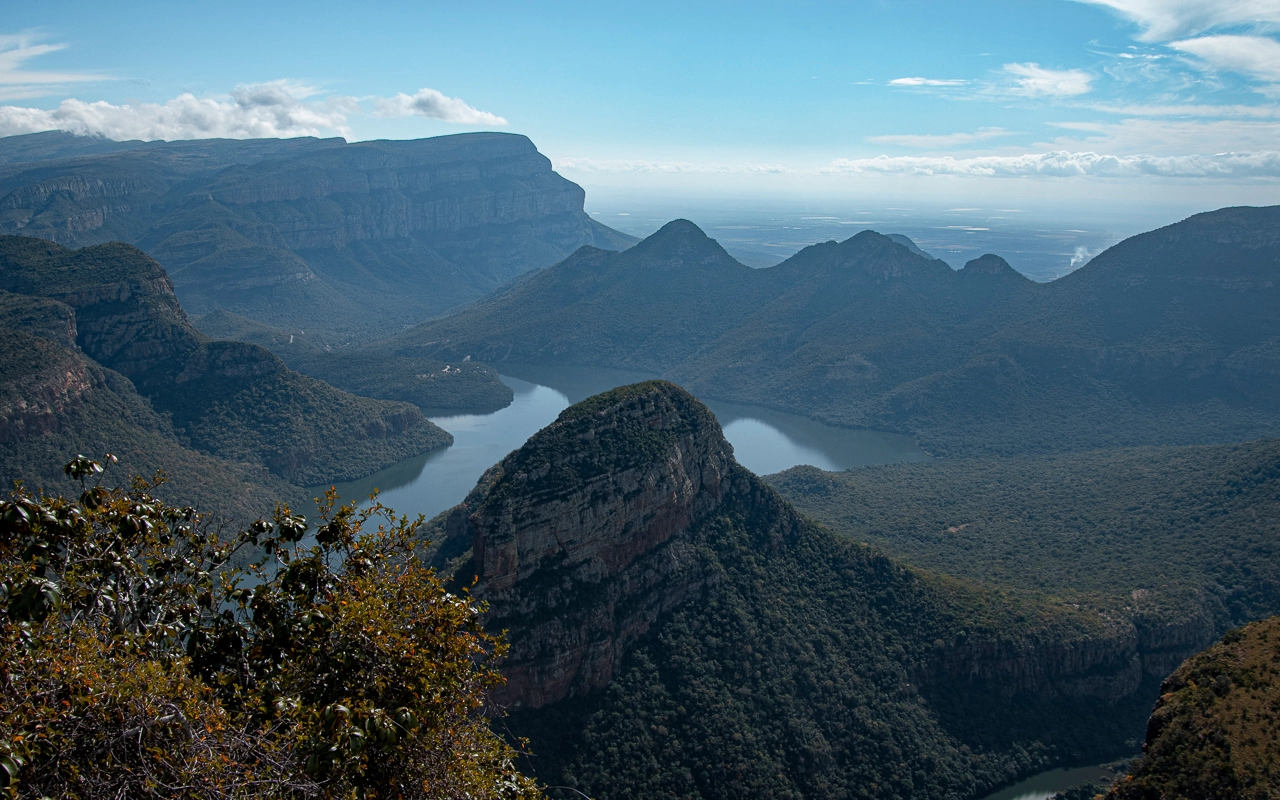
Olifants was the perfect location for our last stop because after Kruger we were planning to continue to the Panorama Route. So it worked really well with our travel plan
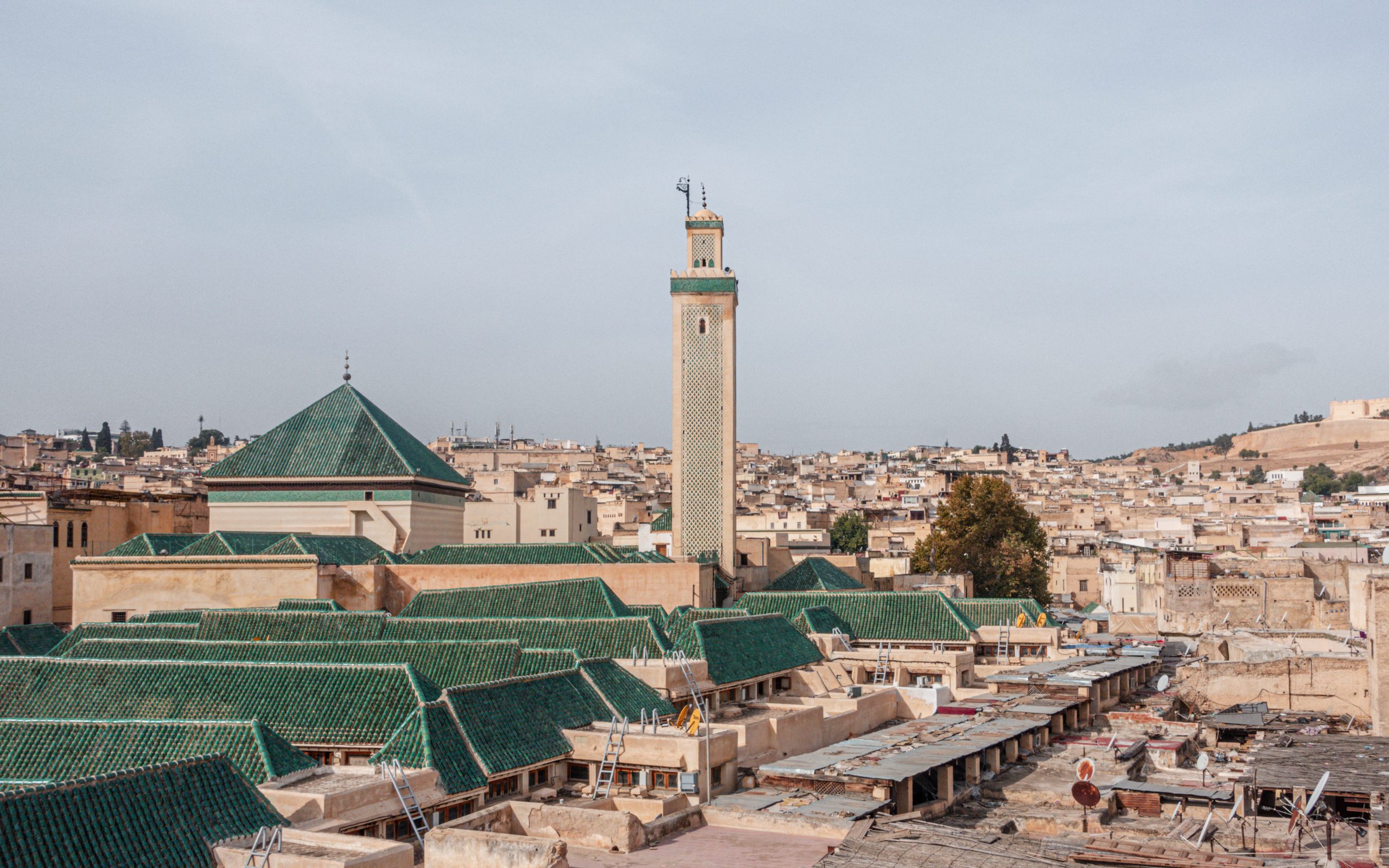
Kruger is huge and full of both paved and dirt roads, so planning your route each day is really important. Even in five days, we could not see even a quarter of the park.
One thing you really need to keep in mind is the park gate times. These change depending on the month. When we visited in May, the gates opened at 6:00 a.m. and closed at 5:30 p.m. This applies to both day visitors and people staying inside the park, because every rest camp also has its own gate to keep animals out at night.
If you do not plan your daily route well, you might end up too far from your exit gate or your camp, and risk getting stuck outside when the gates close. The distances in Kruger are much bigger than they seem on the map, and driving is slow because of speed limits, animal sightings, and stops along the way.
Each morning, take a few minutes to check where you want to go and how far it is from your camp. You can also ask other travelers or the staff at reception about the best spots to see lions, leopards, or any animal you really want to find. People often share their sightings from earlier in the day, and this can help you decide which roads are worth trying.
🚦 You will make many stops along the way. For animal sightings, animals crossing the road, or just to enjoy the amazing views.
🧘♀️ Patience is key. Do not expect to see the Big Five on your first day. We thought we would, but after hours of driving, we had only seen impalas. In the end we saw all of them, but it took us three days.
📸 Do not expect the perfect photo every time. You might not have the best view of every animal. Lions could be close to your car, but there might be three or five other cars in front of you. It all comes down to luck. We left the park still dreaming of that perfect leopard-in-a-tree moment.
🗺 Use a paper map. The official Kruger map they give you at the gate or camp is super helpful. GPS apps do not always work, and the map helps you keep track of where you are and how far it is to the nearest gate or camp.
🧃 Pack snacks and drinks. You could be out for hours without stopping. Camps are far apart, and you do not want to be hungry or thirsty while waiting for elephants to cross the road.
🕐 Leave extra time for everything. Animal sightings, bathroom stops, and slow-moving cars all add time to your drive. Always plan with a buffer so you can get back before the gates close.
👀 Bring binoculars if you have them. Not all animals are close to the road, and binoculars really help you see more — especially for birds or when scanning for lions in tall grass.
Kruger is not only about self-driving. Most camps offer guided activities that let you experience the park in completely different ways. These were our favorite experiences, and here’s why:
1. Sunset safari: This was our top pick because you get the best of both worlds. It starts in the late afternoon and goes into the night, so you see animals during sunset and then also get a chance to spot nocturnal wildlife with a spotlight. You cover two time zones in one drive, and that makes it super special.
2. Walking safari: This is such an exciting way to explore the park. You go out on foot with armed guides and track animals, learn about plants, and experience the bush in a much more personal way. It sounds intense, but it is not as dangerous as it seems. The guides are professionals and know exactly what to do. We loved this one.
3. Guided bush walk: Very similar to a walking safari, but usually shorter and sometimes tied to a specific location. For example, the Olifants River Walk is only offered at Olifants Rest Camp and follows the river on foot. It’s still a great way to experience nature outside the vehicle, just a little more relaxed.
4. Night drive: We didn’t do this one because we weren’t staying at the camps that offer it, like Pretoriuskop or Crocodile Bridge. But it sounds like a really cool experience. You go out after the gates are closed to everyone else and use spotlights to look for animals like hyenas, owls, or even leopards. If you’re staying at one of those camps, it’s definitely something to consider.
5. Sunrise safari: This one leaves at the same time the park gates open, so we assumed it would be the same as just driving on our own and decided not to book it. But if you want a calmer, more guided start to your day, it could still be a great option too.
All of these activities can be booked at the camp reception or online through SANParks. Some fill up quickly, so we recommend booking as soon as you arrive.
Before coming to South Africa, we didn’t really understand what self-catering meant. But it’s actually pretty simple, it means you can bring your own food and cook your own meals if you want to.
Most camps have restaurants and small convenience stores, but the selection is limited. We recommend to stop at a big grocery store like Checkers before entering Kruger if you want more variety and better prices.
We had already brought there a portable gas stove, some pots, dishes, and cutlery. But all the chalets we stayed in came fully equipped with a kitchen, fridge, stove, sink, utensils, and an outdoor braai area. So you don’t really need to bring extra gear unless you want to cook outside. Which we loved doing with our little stove while enjoying the views.
Just a heads-up: baboons and monkeys will try to steal your food if you leave it out. Never feed them and always store your food inside when you’re not using it.
Cooking your own meals in Kruger is cheaper, fun, and honestly one of the best parts of the whole experience.
Here’s a quick recap of what we covered to help you get the most out of your trip:
We hope this post helped you feel more prepared for your own Kruger trip! These are exactly the things we wish we had known before going so we believe they’ll help you enjoy a smooth, memorable, and truly unique trip.
Have a question? Let us know in the comments below.
We specialize in traveling with kids and inspire young families to do the same via our travel guides, photography and ready-to-book vacations.
We specialize in traveling with kids and inspire young families to do the same via our travel guides, photography and ready-to-book vacations.
We’re Debby & Marc. The couple behind 'Babies and Borders'.
We specialize in traveling with kids and inspire young families to do the same via our travel guides, photography and ready-to-book vacations.
More about us / Work with us
Copyright (©) 2025. All Rights Reserved
Design by Diezijn™ & Maarten Dijkman