Ultimate Mauritius Honeymoon Guide: What to Expect
When we were choosing a destination for our honeymoon, we knew we wanted a place that checked a few boxes: turquoise waters, palm trees, amazing snorkeling, and beautiful resorts. But we weren’t looking for a spot where we’d spend two weeks doing nothing. We wanted adventure, stunning landscapes, and unique experiences that went beyond staying at a resort and that’s exactly why Mauritius felt like the perfect choice. So this Mauritius honeymoon guide is specially made for couples who want more than just a beautiful beach destination and are looking for romance, adventure, and unforgettable experiences…all in one place!
Located in the middle of the Indian Ocean, Mauritius is one of the most popular honeymoon destinations in the world, but it’s also surprisingly family-friendly! From luxury resorts and wild green landscapes to vibrant coral reefs and unforgettable sunsets, there’s so much to explore that your honeymoon never feels limited to just one place. This Mauritius honeymoon guide is based on our personal experience and covers where to stay, the best beaches, must-do activities, and tips to help you plan an unforgettable trip.


Best time to visit Mauritius
The best time really depends on what kind of experience you’re after. There’s a difference between visiting in winter and summer, and based on that you hve to decide where to stay, let me explain why:

The east side of the island tends to be cooler and windier, with slightly rougher seas. It’s quieter and more private, and you mostly share the beach with people from your resort. It’s a great choice if you visit during the summer when it’s hotter, since it feels more refreshing.
The west side, on the other hand, is warmer and has calmer water so its perfect to snorkel on the beach. In winter, that side is ideal because it’s protected from the wind. However, it’s also more crowded, with a mix of hotel guests and general beachgoers.
Both sides have their pros and cons. Choose based on what matters more to you: calmer seas and a warmer climate, or peace, quiet, and fewer people.
Where to Stay in Mauritius
Mauritius offers a wide range of resorts for all budgets. In most cases, the prices are fair considering what’s included, especially at all-inclusive or half-board resorts that offer great food, activities, and beautiful beaches.
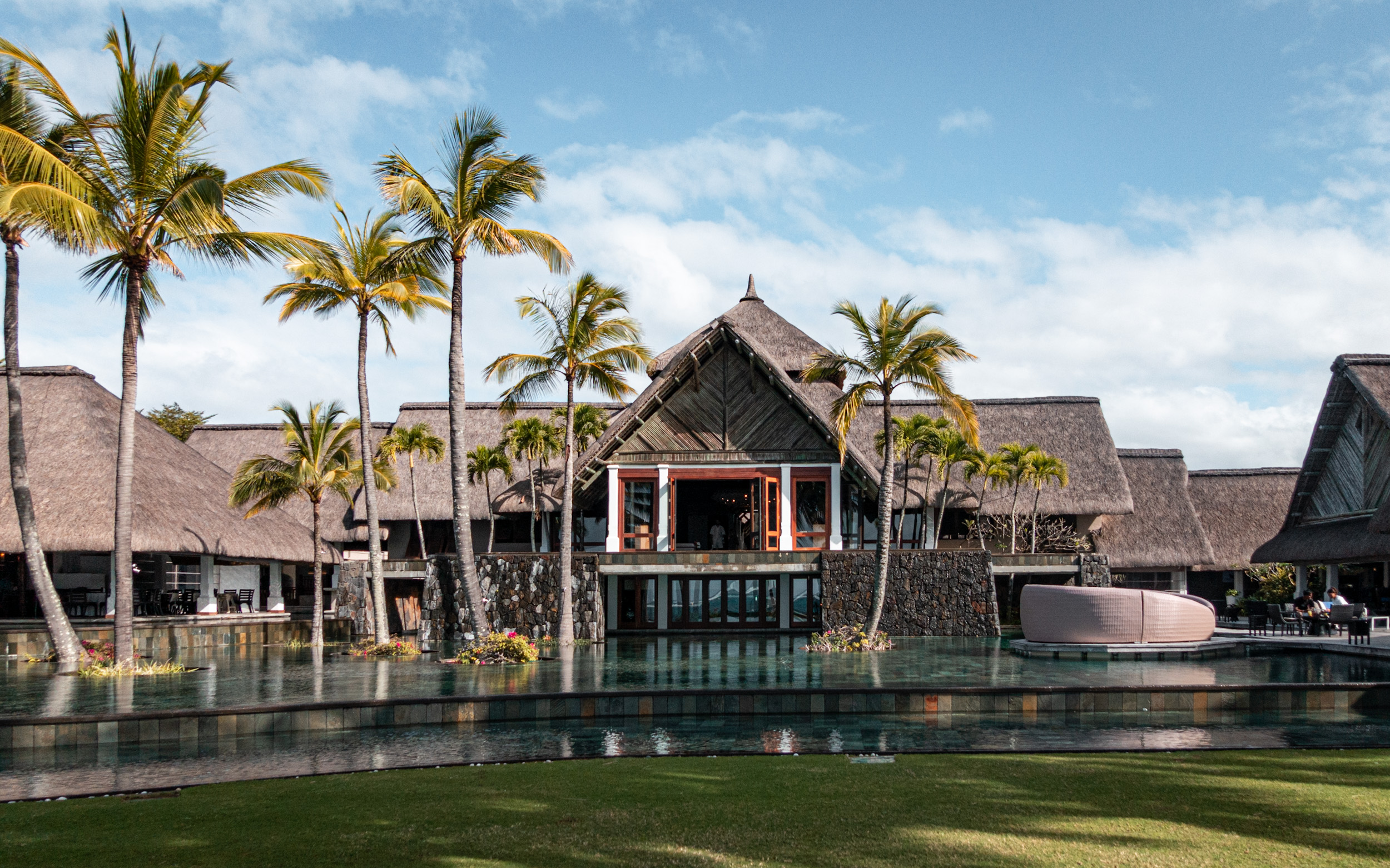
We stayed at Constance Belle Mare Plage on the east side, and it was amazing. The buffet was hands down the best we’ve ever had, and on top of that, there were about seven other restaurants to choose from a Japanese one, a steakhouse, Italian cuisine, and more. The beach was stunning and felt private; the only people there were the guests.
tip: we use booking.com most of the times to book our stays


The resort’s amenities were just as impressive.There were four different pools, tennis and golf courts, and plenty of included activities like clear-bottom kayaking, pedal boats, windsurffing, water skiing, snorkeling tours, and yoga classes. The hotel is so large that there’s even a golf cart service you can book to get anywhere! how cool is that? This is definetly a luxury resort, and we felt the value truly matched the price.
Other resort recommendations can be: Trou aux Biches Beachcomber Golf Resort & Spa, LUX* Grand Baie and Dinarobin Beachcomber Golf Resort & Spa


Getting Around the Island
We highly recommend renting a car. The island isn’t very big—driving from one side to the other takes at most 1–1.5 hours. Taxis are more expensive and less convenient. With a car, you’ll have full freedom to explore beaches and attractions at your own pace.
Here are some useful tips for Driving in Mauritius:
- Roads are generally in good condition, but some rural areas streets can be extremely narrow.
- Driving is on the left side of the road, like in the UK, so keep that in mind if you’re used to driving on the right.
- Free parking is usually available at beaches, and major attractions.
Tip: We always book with Sunnycars because they are very trustworthy, really good customer service is something happens, and best of all: no hidden costs.
Our top 3 Beaches in Mauritius
As you might know, Mauritius is known for its incredible beaches, and although we explored many across the island, here are the top three that truly stood out to us (presented in no particular order):
Pointe aux BichesPointe aux Piments (Northwest)
This beach felt like a natural pool—no waves at all, just crystal-clear water. Any small waves you feel are likely from nearby boats. It’s protected by a coral reef barrier, so the ocean swell doesn’t reach the shore. It’s also a great snorkeling spot. There’s even a location marked on Google Maps where you might spot sea turtles. I wasn’t lucky enough to see one myself, but maybe you will. You can also take a tour, but exploring on your own feels more special and respectful to the animals.

Pointe aux Piments (also Northwest)
This beach is near an abandoned resort called Attitude. In front of it is a small man-made bay protected by rocks. The snorkeling here is excellent, with shallow water and lots of living coral. Compared to Pointe aux Piments, the coral is much more concentrated in one area, making it easier to explore. Just be cautious with the tides and waves. We went twice and had the place entirely to ourselves. It felt like a hidden gem—probably overlooked because the resort is closed, so people assume it’s private. But it’s not. We saw many colorful fish, and it became one of our favorite snorkeling spots.

Le Morne Beach (Southwest)
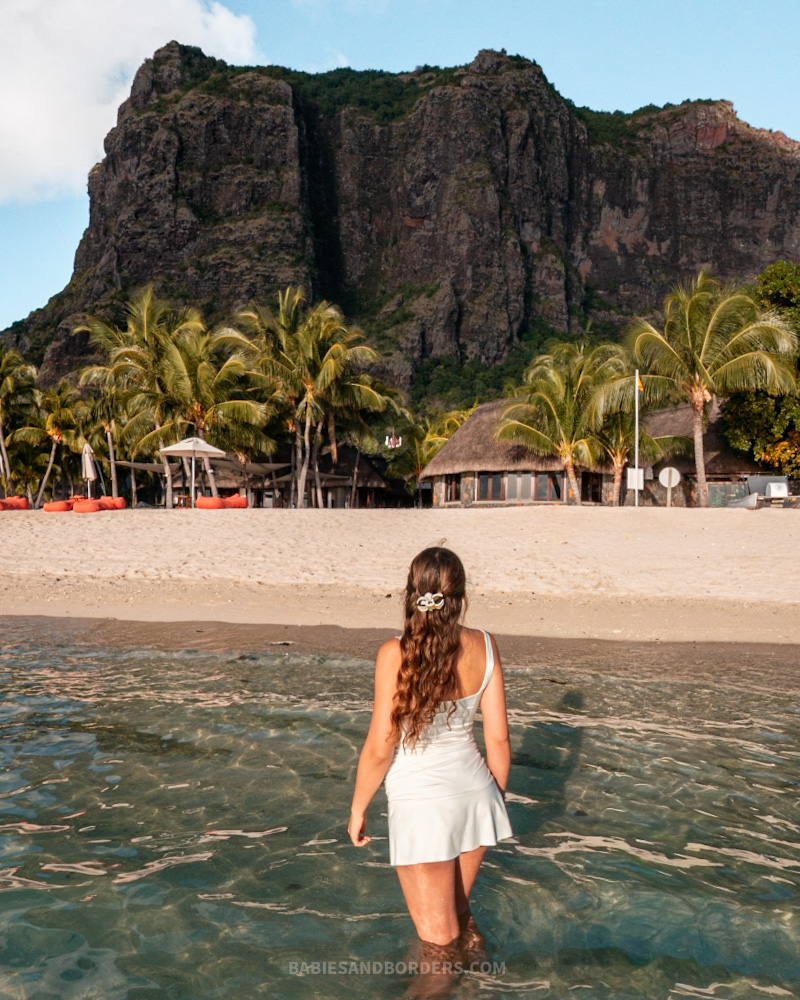
This public beach is stunning, especially at sunset, with views of the iconic Le Morne mountain. While it’s not great for snorkeling unless you take a boat, it’s perfect for relaxing and enjoying the scenery. You can snorkel on your own, and you might spot some turtles if you’re lucky—especially if you swim toward tour groups who are pointing at something in the water. But don’t expect much coral unless you’re taken to a proper reef with a tour.

Must-do activities in Mauritius
Botanical Gardens (Sir Seewoosagur Ramgoolam Gardens):
This garden is famous for its long palm-lined paths and giant lily pads. It’s really peaceful and a perfect place to take a relaxing walk. Built in 1768, it’s one of the oldest botanical gardens in the Southern Hemisphere, and you’ll find lots of exotic and native plants to discover.
It has beautiful paths to follow with the help of a map, calm ponds, and quiet spots to sit. You can also see giant tortoises, which are native to the Mascarene Islands but are now mostly in protected or managed areas. Personally, I wasn’t a big fan of the way they were kept—especially the deer, who seemed very confined. Hopefully, this improves in the future.


Chamarel Waterfall & Seven Coloured Earth:
Both are located in the same park, and the entrance fee is about €12 per person. You’ll get two viewpoints of the waterfall, which is very scenic and perfect for photos and just enjoying the view. If you like hiking, there’s also a trail that takes you closer to the waterfall, but we didn’t feel like doing it ourselves.
Right nearby is the famous Seven Coloured Earth, a natural phenomenon where a hill shows layers of sand in different colors. It’s pretty amazing to see in person, the colors really pop, especially in the sunlight. There’s also a small walking path around it, so you can get different angles and take some fun pictures.
The park is well set up for visitors, with shaded areas and a small café if you want a snack or a drink. Even if you just wander around the viewpoints and enjoy the scenery, it makes for a really nice half-day trip from the rest of the island.


Dolphin & Snorkeling Tour:
We did a tour from La Gaulette (this same tour is also offered from Tamarin Beach) for around €40 per person. We chose this tour thinking it was the most ethical option because it started much earlier in the morning than the other tours we saw. Ours started at 5:30 am, while the others started around 7 am. We also did some research and understood that snorkeling to see dolphins in Mauritius was supposed to be one of the most ethical places to do it in the world.
Long story short, it wasn’t. Even though our tour started earlier, the guide communicated with other boats to find the exact spots where the dolphins were, and a bunch of boats ended up following and harassing them along the sea. Definitely not what we had pictured.
The tour lasted around four hours in total. After the dolphin watching, they took us snorkeling near Le Morne to see some turtles and colorful coral. They also made a stop at Crystal Rock, which is kind of a local landmark.
tip: book your tour via Get Your Guide
Water Activities:
There are lots of water activities you can do at beaches beyond your hotel. You can try an underwater scooter ride (with a bubble helmet so you can breathe), and there are also submarine tours and catamaran trips available. Definitely check these out if you’re looking for unique water activities to make your honeymoon extra special.


Tour to See the Underwater Waterfall:
One of the most unique things you can do in Mauritius (and in the world!) is see the one and only underwater waterfall on Earth. The only way to see it is by helicopter or seaplane. The seaplane option is cheaper, but the downside for us was that only one person is allowed per plane. Since we definitely wanted to experience it together, the only option was to take a helicopter.
The most popular company we found is called Corail Hélicoptères. We paid €200 per person for a 15-minute ride. It’s pricey, I know, but remember…it’s your honeymoon! There are longer rides available (up to 80 minutes) if you feel like splurging even more, and you can choose different times of the day for your flight.


The underwater waterfall is actually just an optical illusion. It’s not as dramatic as Instagram might make it look, but trust me—it’s still breathtaking and totally worth it.
Tip: Decide if you want to do this tour before arriving in Mauritius and book ahead. It’s extremely popular, and spots fill up fast. We booked one week in advance and almost didn’t get a spot. If you want to do it at sunrise or sunset to make it extra special, book well in advance.
Hike Le Morne Mountain (if you’re up for it):
This hike is tough, the final part is so steep that you actually have to climb to the top. That was the reason we skipped it, but if you like adventure, it’s the most iconic hike on the island. The views from the summit seem amazing and rumors say that you can see a little of the underwater waterfall from there.
Le Morne also has deep historical meaning for the country. It was a refuge for runaway slaves in the 18th and early 19th centuries, and today it’s a UNESCO World Heritage Site.

Local food in Mauritius
Mauritian food is a mix of cultures: Chinese, Indian, Creole, and African influences all come together. Even if you’re staying in a resort, it’s worth trying some local dishes in different neighborhoods. Don’t miss dholl puri (stuffed flatbread), rougaille (a Creole tomato-based stew), fresh seafood like grilled fish or octopus curry, and gateaux piments (spicy lentil fritters).
There’s so much to explore flavor-wise, and trying the local food is one of the best ways to really experience the island.
Final Thoughts
Looking back, Mauritius was exactly what we were hoping for and more. This place is more than just a honeymoon destination, it’s a paradise full of adventure, culture, and natural beauty.
Whether you want to relax on quiet beaches, swim with dolphins, hike iconic mountains, or to try unique food, Mauritius is an incredible honeymoon destination.
We hope this guide helped you planning an unforgettable trip to one of the most beautiful islands in the world.
Want to know more about Mauritius, click here!